


Szkolenia otwarte
Doświadczeni trenerzy, wieloletni praktycy z różnych branż przemysłu, efektywne techniki szkoleniowe zapewniające najwyższą jakość przekazu.
Szkolenia zamknięte
Szeroka oferta tematów związanych z zarządzaniem jakością, środowiskiem i bezpieczeństwem. Zakresy dostosowywane do indywidualnych potrzeb. Praktyczna nauka specjalistycznych narzędzi oraz specyficznych wymagań klientów.
Doradztwo
Wdrażanie i doskonalenie systemów zarządzania. Wytyczanie nowych kierunków rozwoju. Wskazywanie obszarów wymagających poprawy wraz z propozycjami rozwiązań opartymi na najlepszych praktykach w branży.
Oprogramowanie
i narzędzia online
Autorskie rozwiązania budowane w oparciu o praktyczne potrzeby firm. Narzędzia analizy danych, przyspieszające procesy decyzyjne i zwiększające ich efektywność.
Artykuły i publikacje
- Audytowanie analizy PFMEA w praktyce
 Zagadnienie audytowania jakiegokolwiek procesu lub dokumentu jest zwykle bardzo obszerne i skomplikowane, nie jest to coś, czego można nauczyć się…
 - Gra w „Monopoly” a cele organizacji
 Czy graliście kiedyś w „Monopoly”? Czy wiecie, że gra w nią świetnie oddaje różnicę pomiędzy „Róbmy Pieniądze” a „Weźmy Wypłatę”?…
 - Czego zarządzający mogą się nauczyć z eksperymentu w Robber’s Cave?
 Przeczytałem ostatnio książkę Alana Portera „Psychologia” i znalazłem w niej opis jednego z eksperymentów psychologicznych, który przypomniał mi sytuacje spotykane…
 - Zdolność krótkoterminowa czy długoterminowa?
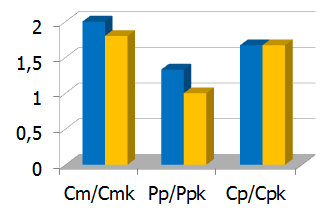 Praktycznie każdy dostawca w przemyśle motoryzacyjnym wyznacza wskaźnikami zdolności, a całkiem spora grupa rozumie skąd się biorą i co oznaczają.…
 - Czym jest analiza FMEA?
 Analiza ryzyka staje się coraz powszechniej stosowanym narzędziem w systemach zarządzania jakością. Dobrze przeprowadzona i utrzymywana pozwala zminimalizować koszty złej…
 - Praktyczne aspekty wdrożenia systemu IATF 16949:2016
 Bogacenie się społeczeństw, technicyzacja, automatyzacja i komputeryzacja wywołują gwałtowny skok z jednej strony produktywności z drugiej zaś potrzeby nowego spojrzenia…
 - Zmienny przedział tolerancji a zdolność procesu
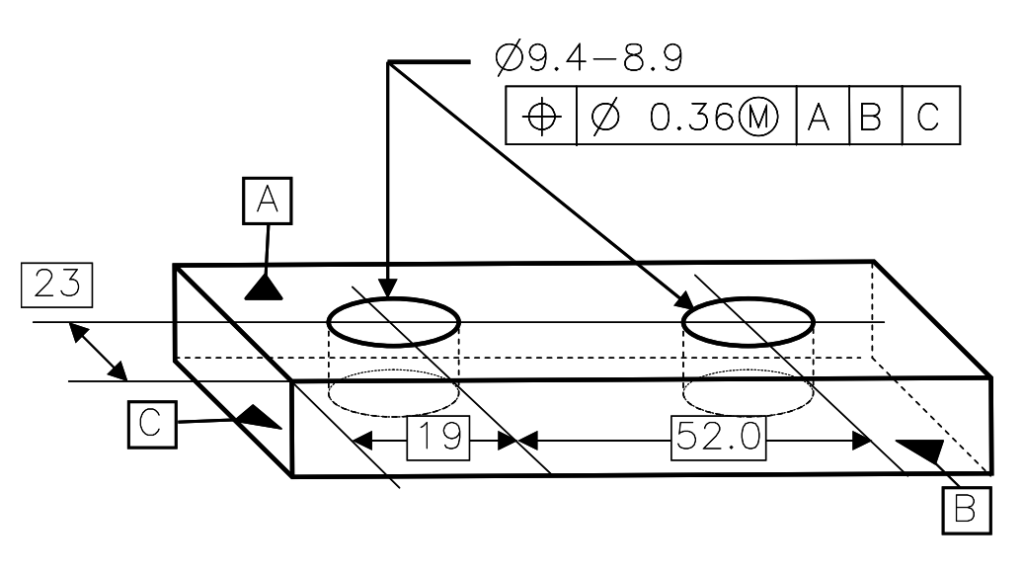 Firmy TorqSmooth Transmissions oraz Aluminium Parts toczą spór w kwestii reklamacji jakościowych dotyczących pierwszej wyprodukowanej partii wyrobów, będących korpusami mechanizmu różnicowego AWD nowej przekładni…
 - Wdrażanie systemu zarządzania środowiskiem – studium przypadku
 Kiedy firma Classen-Pol S.A. zwróciła się do nas o przygotowanie oferty na wdrożenie Systemu Zarządzania Środowiskowego zgodnego z normą PN-EN…
Klienci
Producenci finalni


Producenci komponentów




Do pobrania
Na prośbę uczestników naszych szkoleń udostępniamy wersje elektroniczne formularzy i narzędzi wykorzystywanych przez trenerów w trakcie zajęć. Zapraszamy do pobierania udostępnionych plików i jednocześnie zachęcamy do dzielenia się własnymi rozwiązaniami. Pliki są dostępne dla zarejestrowanych użytkowników.
Rejestracja i pobieranie plików są całkowicie bezpłatne.

O nas
O NAS
SZKOLENIA doradztwo OPROGRAMOWANIE
 19 lat doświadczeń
27 000 przeszkolonych pracowników
z ponad 550 firm 
Przedsiębiorca uzyskał subwencję finansową w ramach programu rządowego „Tarcza Finansowa 2.0 Polskiego Funduszu Rozwoju dla Mikro, Małych i Średnich Firm” udzieloną przez PFR SA
Kontakt
Grupa Doradztwa Kreatywnego PRONOST Sp. z o.o.
Kontakt
+48 33 8580803
biuro@pronost.pl
biuro.pronost


Dział obsługi klienta
Lidia Joniec
+48 33 8580803
ljoniec@pronost.pl
Biuro (adres)
do korespondencji
43-400 Cieszyn
ul. 3 Maja 19
siedziba
43-400 Cieszyn
ul. Jastrzębia 39a
Dział oprogramowania
Piotr Stokłosa
pstoklosa@pronost.pl
+48 502 260240
Rafał Pajdzik
rpajdzik@pronost.pl
+48 33 8580803
REGON: 240071190
KRS: 0000237023
DUNS: 522582527
Kapitał założycielski w całości: 50 000 PLN
Rachunek Bankowy: 11 8113 0007 2001 0004 4147 0001
SWIFT kod: POLUPLPR
Rejestr Instytucji Szkoleniowych woj. śląskiego: 2.24/00180/2007